
Gel Solar Batteries
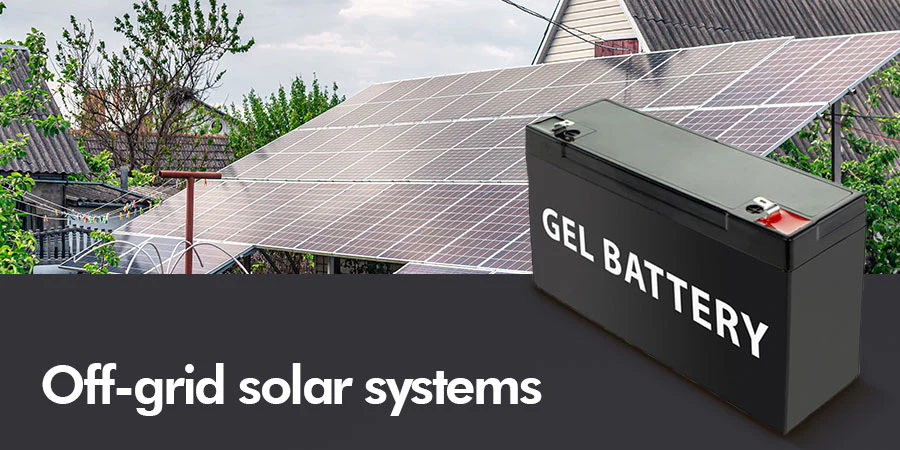
- Performance & Efficiency – Gel batteries are a type of lead-acid battery. They have lower efficiency (around 70–80%) and a lower depth of discharge (50% recommended), meaning you can’t use all the stored energy.
- Lifespan – Gel batteries typically last 1,000–1,500 cycles, or 3–5 years depending on usage. This is significantly shorter compared to lithium.
- Maintenance – They require regular care, proper ventilation, and monitoring to avoid issues like sulfation and reduced performance.
- Cost – Gel batteries have a lower upfront cost, making them attractive for budget-conscious buyers. However, frequent replacements increase long-term costs.
- Best Use Case in Kenya – More suitable for small-scale solar projects, backup power for rural homes, and low-budget setups where upfront cost is the main consideration.
Which is the Best Solar Battery in Kenya?
If you’re looking for long-term reliability, efficiency, and durability, lithium batteries are the best option. They are especially valuable in urban areas like Nairobi, Kisumu, and Mombasa, where power demand is high and outages are common.
If you’re on a tight budget or setting up a small system, gel batteries can still serve as a starter solution — but be prepared for more frequent replacements.
Conclusion
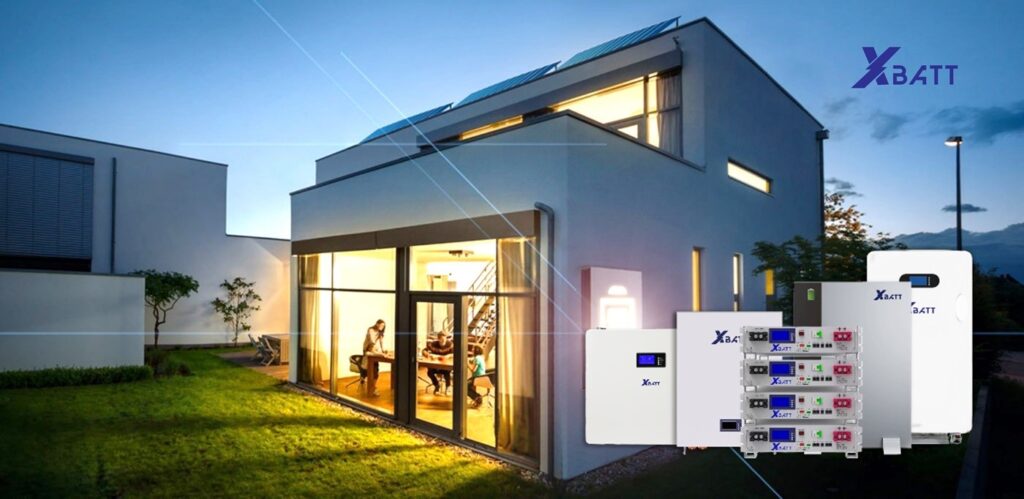
At PowerAll, we recommend lithium batteries for most clients because of their long lifespan, efficiency, and ability to handle Kenya’s energy challenges. Our lithium energy storage solutions (5kWh to 16kWh+) are designed for homes, businesses, and industries.
 Ready to upgrade your solar system? Call us at +254745338899 or visit ESS page to explore the best solar battery options for your needs.